Your career might be next on AI's list...
Today I'm showing you the exact shift that keeps AI from becoming your replacement — and how a robot-vacuum seller used it to build ten offers out of one mission.
The horse-and-buggy industry had the best carriages in the world and still got wiped out by the automobile.
Why?
Because they thought they were selling horses and carriages instead of transportation...
Many smart, talented people just like you are getting their careers wiped out by AI for the reason...
By the end of this, you'll know how to avoid the #1 mistake that makes you AI's first target — and build a mission no tool can replace.
You see...
Here's the mistake that hands your job to AI on a silver platter:
How you identify yourself, your brand and your product is one of the biggest vulnerabilities you have.
Left unfixed, AI crushes your career within the next 24 months.
"I'm a real estate agent."
"I'm the Director of Marketing at [some company]."
"I'm a photographer who captures unforgettable experiences."
Respectfully — No one cares. Neither does AI.
Because there's a thousand people holding that exact same title. And AI is already inside your industry, making your presence less and less required to get the job done.
Do you define yourself by your position tasks or your tools?
What do you say when someone asks: "What do you do?"
Your title, position or tasks make for fine answers at a dinner party or networking event.
And terrible positioning in a world where AI can copy the task by Tuesday.
Identify by title, a task or a tool and you're one ChatGPT model update from irrelevant. Own a PROBLEM and every new task or tool or technology shift becomes another weapon in your bag.
Horse-and-buggy owned the wrong identity.

Ask Studebaker — the biggest horse-and-buggy company of its day — what it did, and it'd tell you: quality horses across the nation, carriages that lasted, the most professional drivers in the territory.
Ask how far a horse could travel in a day. They had the number.
Ask how durable the buggy was. It had a demo.
But those were the WRONG questions and answers the whole time.
Those are the solution. Never the PROBLEM.
And PROBLEMS tend to be more future-proof than solutions.
Identify by the solution and the automobile shows up looking like an enemy at the gate.
That's exactly how most people are looking at AI right now — an invader, not a tool that just walked through their own front door...
You see...
The actual problem the horse-and-buggy industry was solving was never horses or carriages.
It was getting people and their goods from Point A to Point B, safely, quickly and efficiently.
Identify by that PROBLEM, and the automobile isn't competition.
It's the next evolution of the horse — a faster one, showing up right on schedule...
Get that one thing right at the start of the 1900s — and Studebaker is exactly what happened.
Same company, same mission, just swapped horses for engines — and stayed in the transportation business another sixty years.
Blockbuster owned the wrong solution too.
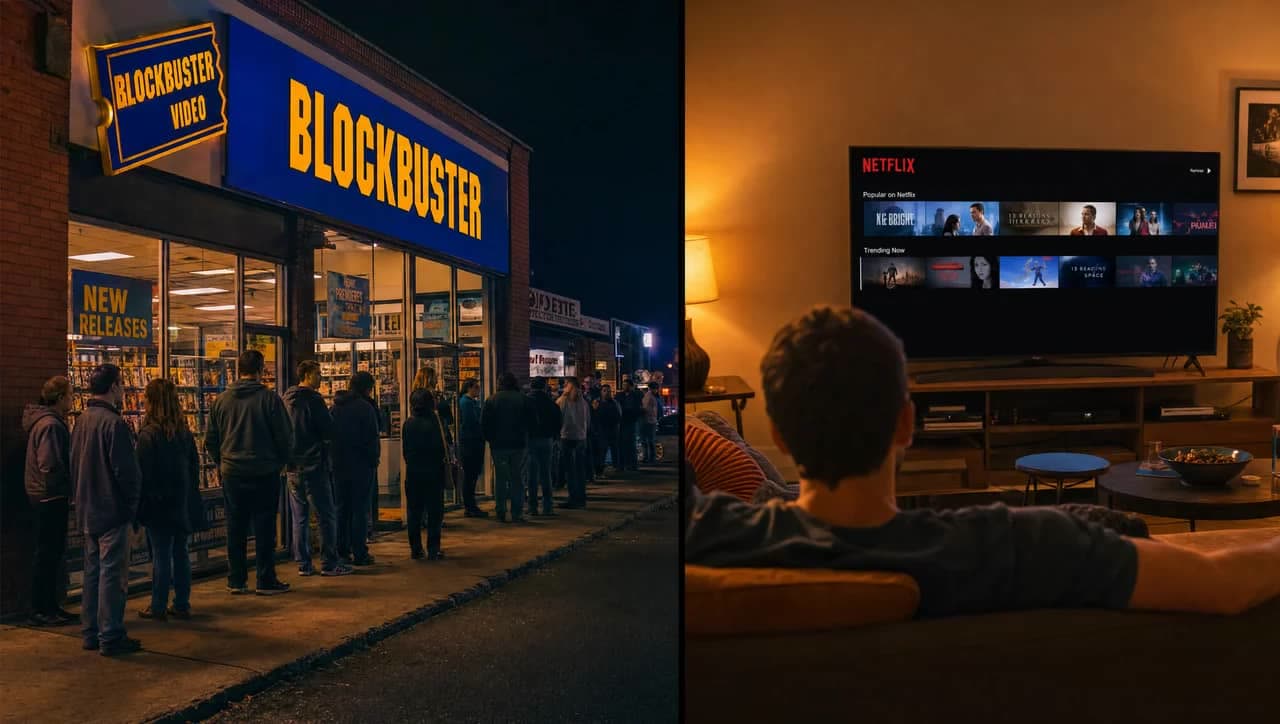
Blockbuster identified as the video-rental business. Stores, shelves, late fees, a business built entirely around the solution — a physical tape you drove to go get.
And in case you don't know / remember - movie rentals had a return deadline...
Miss the deadline and you get hit with a late fee —
Even worse, lose or break a movie tape and you could easily owe $100+ to replace the tape / DVD
(I worked at Blockbuster for some years so I saw late fees rack up all the time...)
Netflix identified the actual problem: people want their entertainment now, with zero hassle. Zero driving, waiting in long lines on a Friday night, waiting on a movie to become "available" and zero late-fees.
Mail-in DVDs and Streaming shows up. Blockbuster sees a threat to its stores.
Netflix sees the exact tool its own mission had been waiting for the whole time.
Same customers. Same wants.
Netflix owned the problem.
Blockbuster owned the buildings and the shelves.
Only one of them is still open for business today...
The photographer never stood a chance...
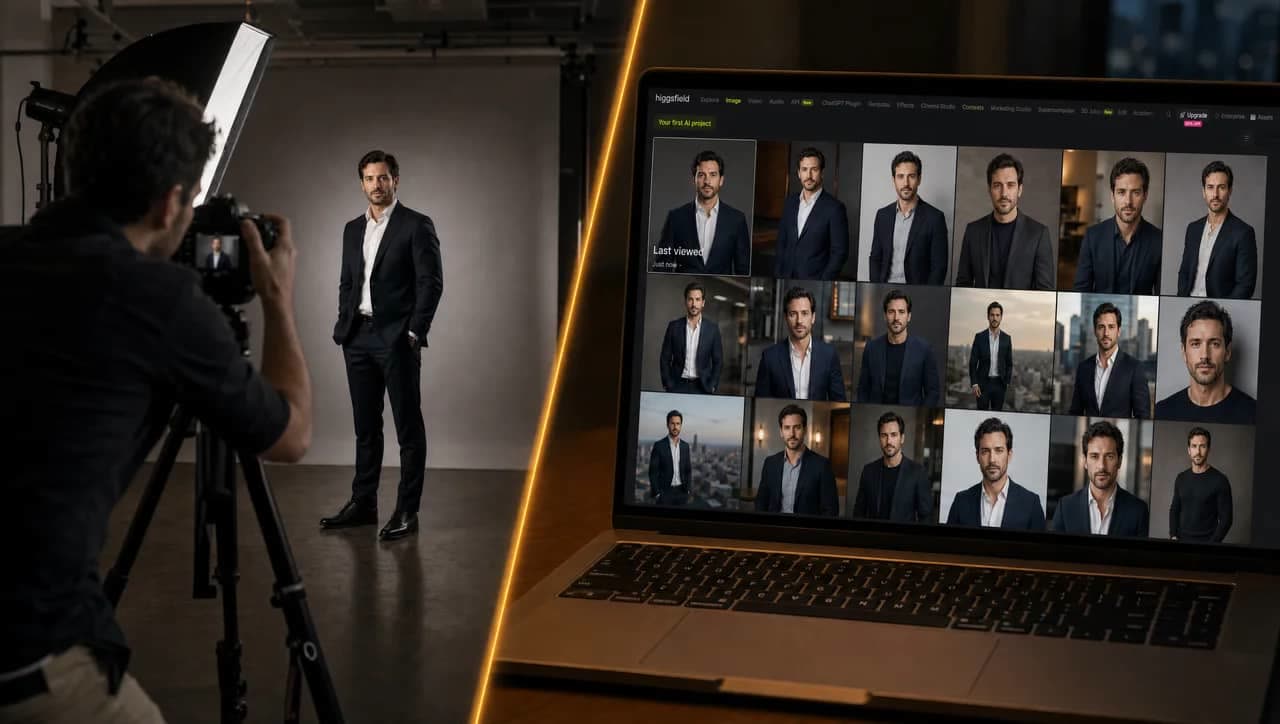
Identify the job as "takes professional headshots" and an AI-generated image looks like the competition walking in the door.
Identify the mission as "quickly makes professionals look credible online" and AI just became another "camera" in the bag — not the threat, the crew.
True Story:
I use AI for my own headshots. It took about 15 minutes to get it right...
They blow my own camera-and-lighting headshot out of the water.
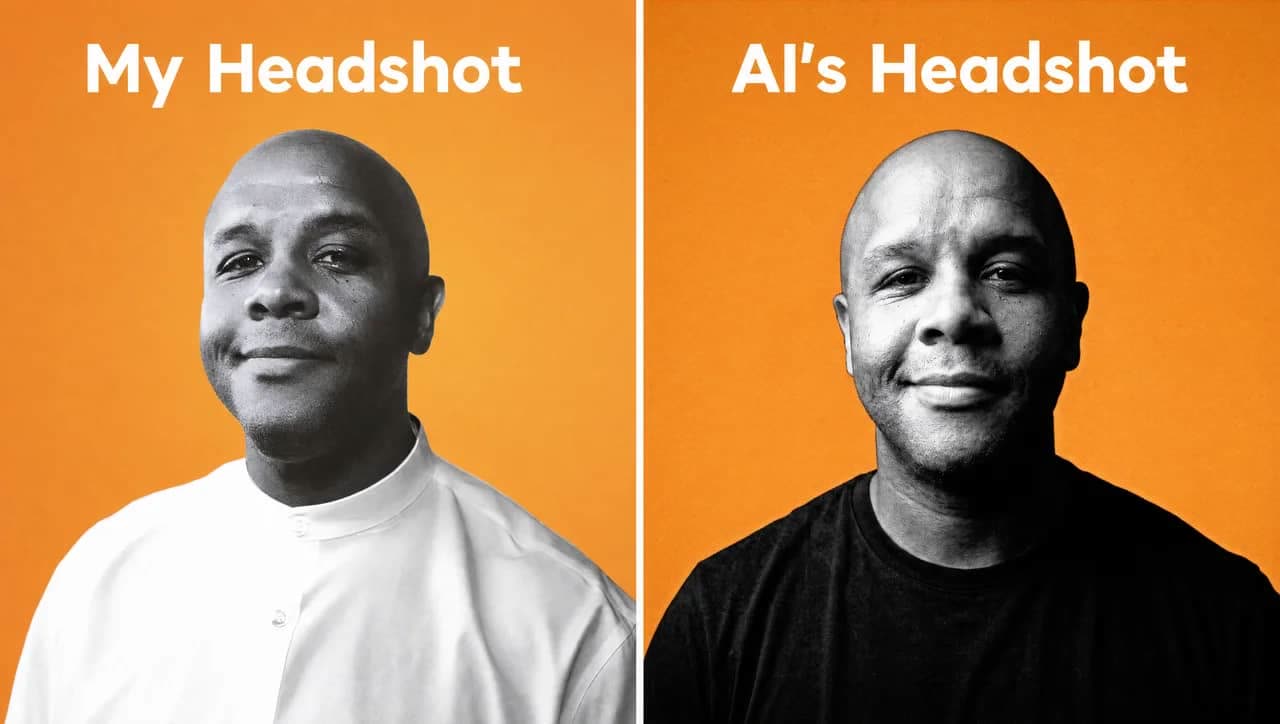
The task changed hands. The problem didn't. That's the whole game.
The play here: OBSESS. Then RESONATE.
OBSESS over the audience until you know their problem better than they can say it.
Then RESONATE — hand it back to them in one sentence and watch them nod like you read their mind.
Here's what that looks like on a person who sells vacuum-and-mop robots.
The normal mistake: "I sell vacuum-and-mop bots."
Sounds cool and high-tech.
But so does Amazon.
So does Walmart.
So does eBay.
And a hundred other sites selling the exact same bots...
Move 1 — Learn their actual problem.
Before you say a word about your product, obsess over what's actually eating at the people you want to reach — here's how that plays out for someone selling vacuum-and-mop robots.
Their audience are:
Too busy to clean.
Too tired after work.
Have children and pets who create more messes than one person can keep up with.
Coming home to dirty floors every single night.
Truly obsess over them. Know their story, their day-to-day life...
Move 2 — Identify your audience by their pain, not just their demographic.
Demographics describe who they are. Pains describe why they'll benefit from you specifically.
(That last part will make more sense in Move #3)
For our vacuum brand, they're:
Not "women."
Not "mothers."
They're: Busy mothers who have more messy floors than time to keep them clean.
Pains takes the driver's seat, demographics in the back.
And this is how you build RESONANCE with them.
Learn they're pains and struggles, say it back to them and watch them nod.
Move 3 — Make their identity your mission.
This one's 🔥!
This is the line where their pain turns into your pitch — say it once and you never have to explain what you do again.
Example:
"I help busy mothers keep their floors spotless in under five minutes a day."
Five minutes being the real maintenance — emptying the dustbin, cleaning the filter, nothing more.
That one sentence does four things:
- Sets you apart from every other seller pushing the same bot.
- Makes you instantly attractive to your audience — because you sound like them, not a catalog listing. That's RESONANCE.
- Opens multiple doors (and potential revenue streams) instead of one — a daily email series, a guide, an app, a membership, the robot itself. All serve the same mission, sold multiple different ways, all at once. (DON'T SLEEP ON THIS ONE)
- Keeps you future-proof. A better robot shows up next month, you use it. If AI finds a cleaner method, run with it. You are never in competition with the future — you're in opposition with the same problem your audience is struggling with.
That's the difference between protecting a title and future-proofing a career.
Your title can get automated.
Your trade can get replaced.
Your tech will absolutely go obsolete — some of it already has...
But own the problem and there's always another way to solve it.
The question was never "will my task survive AI?"
The question is: will the problem still exist once AI has normalized?
If it will — stop building your name on the tasks and titles you're holding today.
Build it on the person you serve and the fight you're really in.
Peace and Love,
J. Young El